How Much Does a Loft Conversion Cost?

🔑 Key Takeaway
Understanding how much does a loft conversion cost involves considering multiple factors, with average prices in the UK typically ranging from £25,000 for a simple Velux conversion to over £70,000 for a more complex mansard project. The final price is influenced by the conversion type, property location, material choices, and the professionals you hire. This guide aims to break down these costs to help you budget effectively.
A loft conversion can be a significant investment in your home, adding valuable living space and potentially increasing your property’s value. However, the first question for most homeowners is a practical one: what is the expected financial outlay? Answering the question of how much does a loft conversion cost requires a detailed look at the variables involved, as no two projects are ever identical. From the type of conversion you choose to your home’s location in the UK, numerous elements contribute to the final quote. This article provides a comprehensive overview of the costs, factors, and processes involved, helping you to plan your project with greater confidence.
ℹ️ Transparency
J&D Building is a family-run construction company based in the UK, specialising in loft conversions, extensions, and home renovations. This article is based on our extensive hands-on experience, industry data, and consultations with structural engineers and architects. We aim to provide the most accurate and helpful information possible, but all costs mentioned are estimates. For a detailed quote tailored to your home, please contact our team.
What is a Loft Conversion?
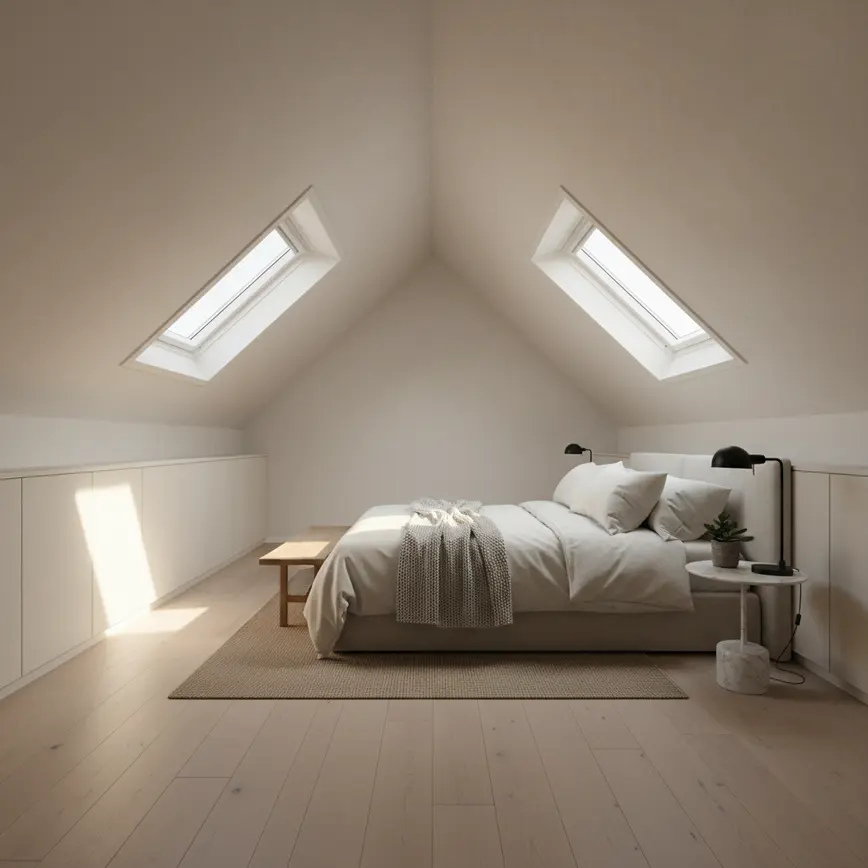
A loft conversion is the process of transforming an empty attic space into a functional room, such as a bedroom, office, or playroom. This type of home improvement is often popular because it can add significant square footage without altering the footprint of the house. The process typically involves structural work to the floor and roof, adding insulation, installing windows for light and ventilation, and fitting stairs for access. Depending on the existing structure of your roof, the project can range from a relatively simple installation of skylights to a more complex build that alters the roofline itself.
The suitability of a loft for conversion often depends on factors like the available head height, the pitch of the roof, and the existing structural integrity. A professional assessment is usually necessary to determine the feasibility and potential of the space. For many UK homeowners, it represents an effective way to accommodate a growing family or create dedicated-purpose rooms without the expense and disruption of moving house.
Breaking Down Loft Conversion Costs
When considering how much does a loft conversion cost, it’s helpful to see a breakdown of where the money goes. The total figure on a quote is an accumulation of various essential expenses. Labour is one of the largest components, often accounting for 40-50% of the total budget, as it covers the skilled tradespeople required, from carpenters and plasterers to electricians and plumbers. Materials are the next significant expense, including structural steels, insulation, plasterboard, windows, and timber.
Beyond the core build, several other costs must be factored in. Architectural drawings and structural engineer calculations are vital upfront expenses needed for planning and building regulations. Fees for building control inspections are also mandatory to ensure the work is compliant and safe. A 2023 guide from Checkatrade suggests that VAT, scaffolding, and waste disposal are other major line items that contribute significantly to the overall cost [1]. Homeowners may also need to budget for fixtures and fittings, such as bathroom suites, flooring, and decoration, which can vary widely based on personal taste and quality.
Key Factors Influencing Your Loft Conversion Cost
The final price of a loft conversion is rarely a one-size-fits-all figure. It is shaped by a combination of choices, property characteristics, and market conditions. Understanding these key factors allows you to see where your budget is being allocated and where you might have opportunities to manage expenses.
Type of Loft Conversion
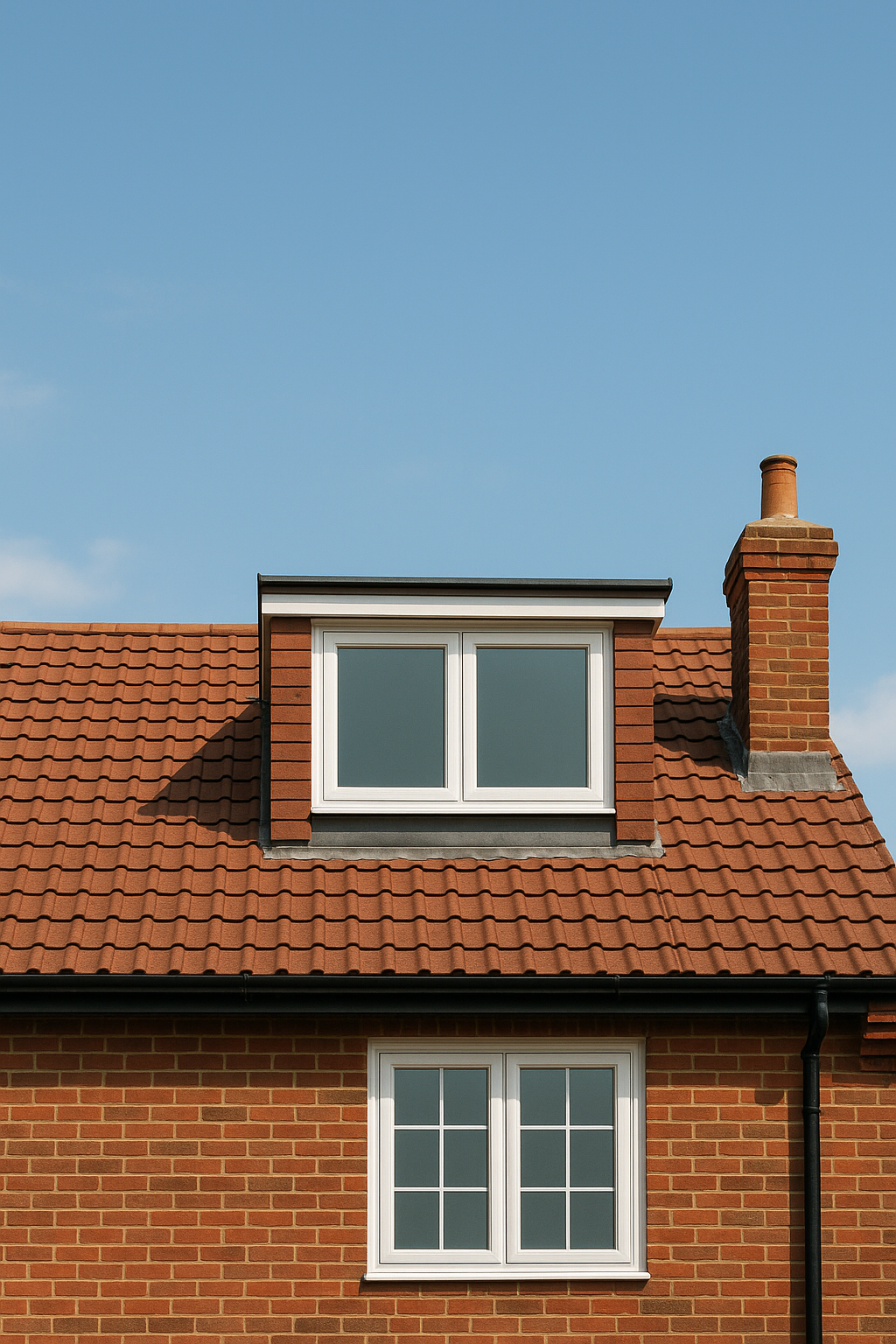
The single most significant factor in determining the cost is the type of conversion you undertake. A simple ‘room in a loft’ or Velux conversion is the most budget-friendly, as it requires minimal structural alteration. A dormer conversion, which adds a box-shaped structure to the roof, is a popular mid-range option that creates more usable headroom and floor space. More extensive projects like hip-to-gable and mansard conversions involve major changes to the roofline, offering the most space but also coming with the highest price tag due to their complexity.
| Conversion Type | Average Cost Range (£) | Typical Timescale | Best For |
|---|---|---|---|
| Velux (Rooflight) | £25,000 – £40,000 | 4-6 weeks | Budget-conscious projects with ample existing headroom. |
| Dormer | £40,000 – £60,000 | 6-8 weeks | Creating significant extra headroom and floor space. |
| Hip-to-Gable | £50,000 – £70,000 | 8-10 weeks | Semi-detached and detached homes with a hipped roof. |
| Mansard | £55,000 – £75,000+ | 10-12 weeks | Maximising space, often seen in urban/terrace properties. |
Size and Complexity of the Project
The overall size of your loft directly impacts material and labour costs; a larger space will naturally require more resources to convert. Complexity also plays a crucial role. A straightforward rectangular room will be more cost-effective than a design featuring multiple rooms, en-suite bathrooms, or custom joinery. The inclusion of a bathroom, for instance, adds significant plumbing and tiling work, which can increase the total cost by several thousand pounds. Any unusual roof shapes or access challenges can also add to the labour time and overall expense.
Location (Regional Cost Differences)
Where you live in the UK has a substantial influence on the cost of a loft conversion. Labour rates and material supply costs are typically highest in London and the South East. A 2024 analysis by Which? highlights that construction costs in the capital can be up to 25% higher than in other parts of the country, such as Northern England or Scotland [2]. This regional variation means that an identical project could have a significantly different price tag depending on the postcode, making it essential to source local quotes.
Choice of Materials and Finishes
The quality and type of materials you select for the finish will have a direct impact on your budget. Standard plasterboard and basic lighting will be far cheaper than bespoke storage solutions and high-end fixtures. The choice of flooring, tiles, window types, and bathroom suites can cause the total cost to fluctuate significantly. While it can be tempting to opt for lower-cost finishes, it’s often worth balancing initial savings with long-term durability and the overall aesthetic you want to achieve.
Structural Changes and Building Regulations
Ensuring your conversion is structurally sound and legally compliant is non-negotiable and comes with associated costs. This includes fees for a structural engineer to specify necessary steel beams (RSJs) and floor joists. Building Regulations approval is mandatory, and you must budget for the inspection fees from your local authority or an approved inspector. These regulations cover aspects like fire safety, insulation, and structural integrity. According to the official Planning Portal, compliance is essential for any major building work [3]. In some cases, particularly if you share a wall with a neighbour, you may also need a Party Wall Agreement, which can involve surveyor fees.
📣 Don’t Skip the Paperwork!
Budget for building regulations approval and potentially a Party Wall Agreement. These are legal requirements and crucial for safety.
Hiring Professionals (Architects vs. Design-and-Build)
You have several options for managing your project, each with different cost implications. You could hire an architect to draw up plans and then find a separate builder to execute them. This route offers bespoke design but can be more expensive and requires you to coordinate between parties. Alternatively, a specialist design-and-build company, like J&D Building, manages the entire process from concept to completion. This integrated approach can often be more streamlined and cost-effective, providing a single point of contact and accountability for the entire project.
How to Get an Accurate Quote for Your Loft Conversion
Obtaining a clear and detailed quote is arguably the most critical step in planning your loft conversion. An accurate quote prevents unexpected costs and ensures both you and your builder have a shared understanding of the project scope. Vague estimates can lead to disputes, so investing time in this stage is essential.
To get the best possible quote, follow these steps:
- Prepare a Detailed Brief: Write down everything you want from the conversion, including the number of rooms, the purpose of the space (e.g., bedroom with en-suite), and the level of finish you expect.
- Get Multiple Quotes: Approach at least three reputable companies. This allows you to compare prices and service offerings. Don’t automatically choose the cheapest; consider their experience, reviews, and the detail of their quote.
- Ask for a Full Breakdown: A professional quote should itemise all costs, including materials, labour for each trade, scaffolding, waste disposal, and VAT. If something isn’t listed, ask if it’s included.
- Check Their Credentials: Ensure the company has valid insurance, provides references from past clients, and is a member of a recognised trade body.
- Clarify the Payment Schedule: Understand when payments will be due. A typical schedule involves a deposit, with subsequent payments made at key project milestones.
📣 A detailed quote is more than a number. It’s a roadmap.
Ensure it includes a full breakdown of materials, labour, VAT, and a clear payment schedule.
Frequently Asked Questions (FAQ)
How long does a loft conversion take?
On average, a loft conversion can take between 6 to 12 weeks to complete. A simple Velux conversion might be finished in around 6 weeks, while a more complex mansard or hip-to-gable conversion could take 10-12 weeks or longer. This timeline is for the construction phase and does not include the initial design and approval stages, which can add several weeks to the overall process.
Do I need planning permission for a loft conversion?
Often, you do not need full planning permission, as many loft conversions fall under ‘permitted development’ rights. However, this is subject to strict criteria regarding the size and design. For example, the conversion must not exceed a certain volume (40 cubic metres for terraced houses; 50 for others) and must not extend higher than the highest part of the existing roof. It is always recommended to check with your local planning authority, and you will always need Building Regulations approval regardless.
Can a loft conversion add value to my home?
Yes, a well-executed loft conversion can add significant value to a property. Some studies suggest it can increase a home’s value by up to 20%. The return on investment often depends on the quality of the work, the type of room created, and the local property market. Adding an extra bedroom and bathroom in a sought-after area typically yields the highest potential increase in value. Results may vary.
Is my loft suitable for conversion?
The most crucial factor is the internal head height. You generally need a minimum of 2.2 metres (about 7 feet 2 inches) at the highest point of the loft space. Other considerations include the pitch of the roof (a steeper pitch is often better) and the roof structure. Traditional ‘cut roof’ constructions are typically easier to convert than modern ‘truss’ roofs, although converting a trussed roof is still possible with additional structural work. A professional assessment is the best way to get a definitive answer.
Conclusion
Determining how much does a loft conversion cost is a process of careful planning and detailed assessment. While average figures provide a useful starting point, the final price is shaped by your specific choices regarding the conversion type, size, location, and finishes. By understanding these influencing factors and ensuring you obtain detailed, transparent quotes from reputable professionals, you can embark on your project with a clear and realistic budget. A thoughtfully planned loft conversion not only adds functional living space but can also be a valuable long-term investment in your property. To see what’s possible, feel free to browse our portfolio of completed projects.
References
[1] Checkatrade. (2023). Loft conversion cost guide. https://www.checkatrade.com/blog/loft-conversion-cost-guide/
[2] Which?. (2024). Loft conversion costs. https://www.which.co.uk/reviews/loft-conversions/article/loft-conversion-costs-a5Cg94t4Y8fF
[3] Planning Portal. (n.d.). Building Regulations. https://www.planningportal.co.uk/