House Extension North London: The Complete 2025 Guide

🔑 Key Takeaway
A house extension north london project typically costs between £2,500 and £4,000 per square metre, depending on the specification and structural complexity.
- Planning: Many extensions fall under ‘Permitted Development’, avoiding a full planning application.
- Value: A well-executed extension can add up to 25% to your property’s value.
- Process: The key steps involve design, planning approval, building regulations, and construction.
Read on for our complete 2025 guide to navigating your project successfully.
Embarking on a house extension north london is a significant investment, with costs typically ranging from £2,500 to £4,000 per square metre. This guide leverages our 30+ years of London building experience to walk you through everything you need to know. We’ll demystify the process, from navigating planning permission to understanding the real costs involved. This article covers costs, extension types, regulations, and how to choose the right builder for your project. Understanding the financial commitment is the first step.
We’ll explore the most popular extension types for North London homes and explain the crucial differences between Permitted Development and a full planning application. When considering london house extension costs, it’s important to have a clear picture from the outset. At J&D Building, you communicate directly with the owner, ensuring transparency and accountability throughout your project. Let’s begin by breaking down the costs.
ℹ️ Transparency: This article explores house extensions in North London based on official regulations and industry data. Our goal is to inform you accurately. We offer building services and may link to them. All information is reviewed for accuracy by our in-house expert, Jozeph.
Understanding London House Extension Costs in 2025
Cost per Square Metre: Single vs. Two-Storey
The average cost for a house extension in London is between £2,500-£4,000+ per square metre, with two-storey extensions often having a slightly lower per-metre cost for the upper floor due to shared foundations and roofing. This range is influenced by several factors, including the level of specification (basic, mid-range, or high-end), structural complexity, local soil type, and the accessibility of the site. In their consumer guidance, the Royal Institution of Chartered Surveyors (RICS) advises that the cost per square metre extension london can “vary greatly from house to house” and recommends seeking professional advice for an accurate budget. The average cost of house extension in london is therefore a guide, not a fixed price.
Sample Cost Breakdowns (Table Format: Shell vs. Finished)
To illustrate how costs can differ, the table below provides a sample breakdown for a hypothetical 30m² single storey extension cost north london, comparing a basic ‘shell’ with a fully finished project. A two storey extension cost uk would involve additional expenses for the upper floor structure, but some foundational and roofing costs are shared.
| Item | Basic Shell Cost (Estimate) | Fully Finished Cost (Estimate) | Notes |
|---|---|---|---|
| Architect/Engineer Fees | £3,000 – £7,000 | £4,000 – £10,000 | Includes drawings for planning and building regulations. |
| Structural Work (Foundations, Steel) | £15,000 – £25,000 | £15,000 – £25,000 | The core structure of the extension. |
| Roofing & Watertight Shell | £10,000 – £18,000 | £10,000 – £18,000 | Includes roof structure, covering, and insulation. |
| Glazing (Windows & Doors) | £8,000 – £15,000 | £10,000 – £25,000 | Cost varies significantly with bi-folds or custom glazing. |
| Electrics & Plumbing (First Fix) | £4,000 – £7,000 | £8,000 – £15,000 | Shell cost covers basic wiring; finished includes all fittings. |
| Interior Finishes (Plastering, Floors) | £0 | £10,000 – £20,000 | Not included in a basic shell. |
| Kitchen/Bathroom Fit-out | £0 | £10,000 – £30,000+ | A major variable; depends entirely on specification. |
| VAT (20%) | Included in above | Included in above | Always confirm if quotes include or exclude VAT. |
| Total Estimated Range | £40,000 – £72,000 | £77,000 – £153,000+ |
Hidden Costs to Budget For
When using a kitchen extension cost calculator uk or planning your budget, it’s crucial to account for commonly overlooked expenses. To avoid surprises, consider the following:
- Professional Fees: Costs for architects, structural engineers, and surveyors.
- Statutory Fees: Planning application fees (if required) and building control inspection fees.
- Party Wall Agreements: If you are building on or near a neighbour’s boundary, you may need to pay for a Party Wall Surveyor, which can cost £1,000-£2,000 per neighbour.
- Value Added Tax (VAT): Ensure all quotes clearly state whether VAT at 20% is included.
- Interior Decoration: Costs for painting, flooring, lighting fixtures, and window dressings.
- Contingency Fund: It is highly advisable to set aside 10-15% of the total project cost for unforeseen issues that may arise during construction.
Types of House Extensions for North London Homes
The Side Return Extension
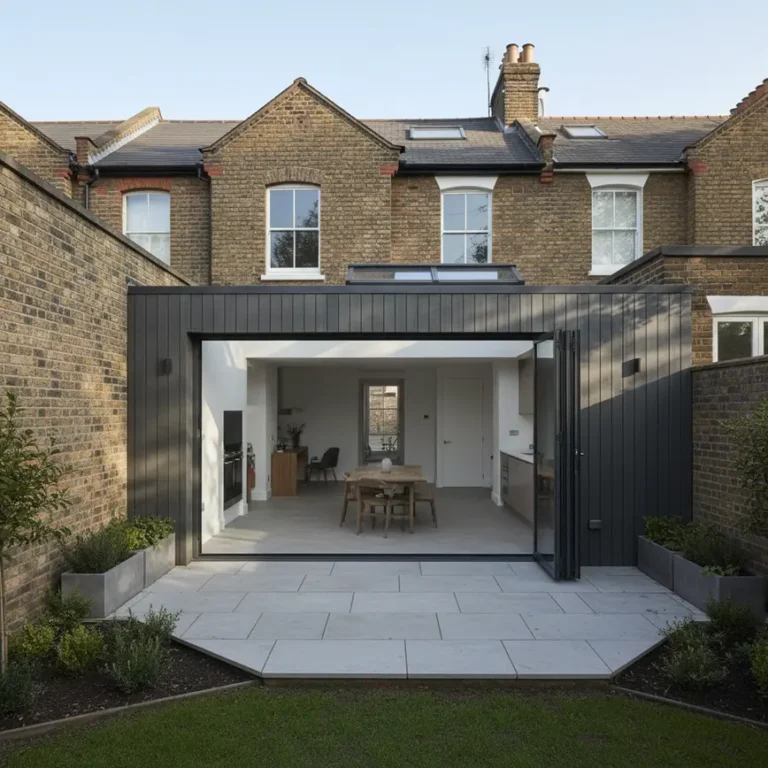
A side return extension fills in the alleyway space beside the rear part of a property, a feature common in Victorian and Edwardian terraced houses, to create a wider kitchen or living area. This type of side return extension london is well-suited for maximising ground-floor space without sacrificing a significant portion of the garden. For a victorian terrace side return extension, it can transform a narrow, dark kitchen into a bright and spacious hub of the home.
The Rear Extension
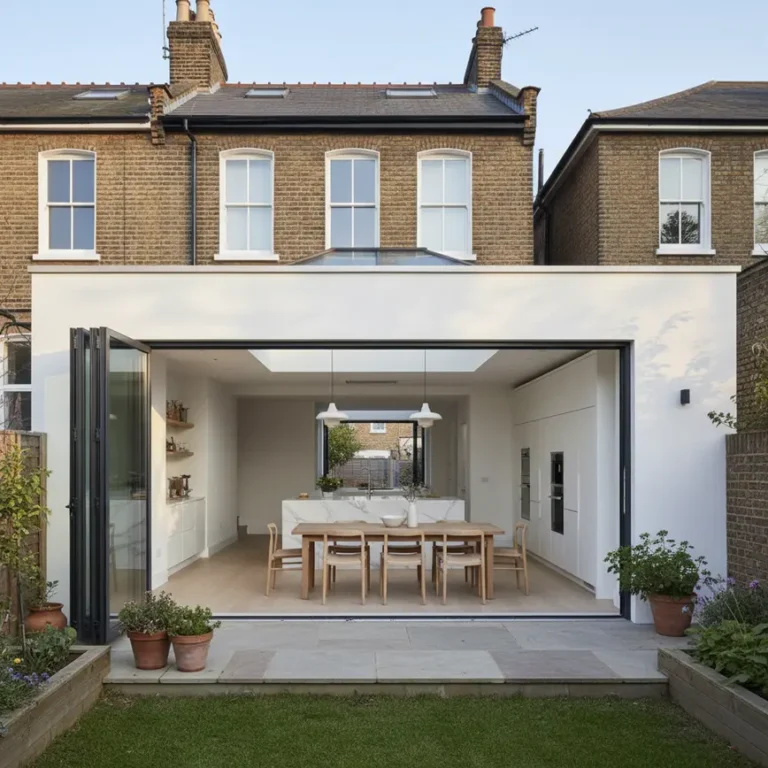
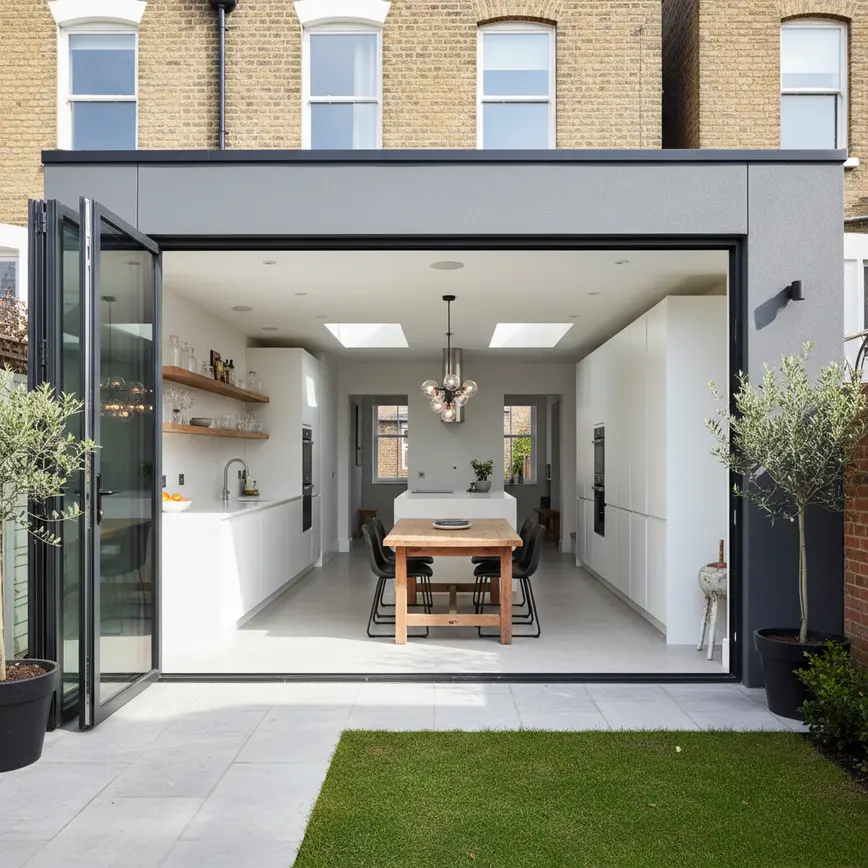
A rear extension projects from the back of the house into the garden, typically creating a large open-plan space. It is one of the most popular home extension ideas london because of its versatility. This approach is suitable for most property types and allows for the installation of large bi-fold or sliding doors, which can create a seamless link between the indoor and outdoor areas. Many homeowners use this for a kitchen extension london, resulting in a modern kitchen-diner ideal for family life and entertaining. We have many rear extension ideas to share.
The Wrap-Around Extension
A wrap-around extension combines a side return and a rear extension, creating an L-shaped space that dramatically increases the home’s footprint. While this is often the most expensive and complex option, it is also the most transformative. These wrap around extension ideas can completely reconfigure the ground floor, offering a substantial new area that can be zoned for cooking, dining, and living, making it a popular choice for those seeking the maximum possible space.
Comparison Table: Pros, Cons, and Typical Costs
This table provides a summary to help you compare the most common extension types in North London.
| Extension Type | Best For | Avg. Cost Estimate (Finished) | Pros | Cons |
|---|---|---|---|---|
| Side Return | Victorian/Edwardian terraces with an alleyway. | £60,000 – £100,000+ | Widens living space; minimal garden loss; often adds significant light. | Can be narrow; may impact neighbour’s light. |
| Rear Extension | Most property types with sufficient garden space. | £70,000 – £150,000+ | Highly versatile; creates large open-plan areas; good for garden connection. | Reduces garden size; can make the middle of the house dark. |
| Wrap-Around | Properties with space at the side and rear. | £120,000 – £250,000+ | Maximum space increase; completely transforms ground floor; huge design potential. | Most expensive; most disruptive; complex planning and structural work. |
Navigating Planning Permission and Building Regulations
Permitted Development vs. Full Planning Application: A Checklist
Many house extensions do not require a full planning application and can be built under ‘Permitted Development’ (PD) rights, provided they adhere to strict size and design rules. However, the planning permission for extension rules are detailed. According to official UK Government technical guidance, these rights are generous but have limits. For instance, single-storey rear extensions can extend up to 8 metres for detached houses (subject to prior approval) but must not cover more than 50% of the garden.
Use this checklist to see if your project might fall under permitted development rights for extensions:
- Location: Is your property in a Conservation Area, National Park, or Area of Outstanding Natural Beauty? If so, PD rights are restricted.
- Height: Is the extension’s highest point lower than your house’s roof?
- Single-Storey Rear Extension Depth: Is it less than 4m deep (terraced/semi-detached) or 8m (detached, with prior approval)?
- Two-Storey Extension Depth: Does it project less than 3m from the original rear wall?
- Boundary Proximity: Is it more than 2m from the boundary if the eaves height is over 3m?
- Materials: Are the materials used similar in appearance to the existing house?
The Party Wall Act Explained
The Party Wall etc. Act 1996 requires you to give your neighbours formal notice if your extension plans involve building on or excavating near the boundary line. This is a legal requirement separate from planning permission. The process involves serving a formal notice to all affected neighbours. As detailed in the official Government explanatory booklet, you must serve this notice 1-2 months before work begins. If neighbours consent, work can proceed. If they dissent or do not respond, you must appoint a Party Wall Surveyor (and they may appoint their own, at your expense) to create a party wall agreement for extension that protects all parties.
Key Building Regulations You Can’t Ignore
Building Regulations are separate from Planning Permission and ensure your extension is built to a safe, high-quality standard. They are a set of minimum standards for design, construction, and alterations. An inspector from your local council or an approved private company will check the work at key stages. As outlined in the primary UK legislation, The Building Regulations 2010, extensions must legally comply with multiple sections. Key areas covered by building regulations for extensions include:
- Structural Safety (Part A): Ensuring the foundations and structure are sound.
- Fire Safety (Part B): Adequate fire escape routes and fire-resistant construction.
- Insulation & Energy Efficiency (Part L): Meeting standards for wall, floor, and roof insulation to conserve fuel and power.
- Ventilation (Part F): Ensuring the new space has adequate airflow.
- Drainage (Part H): Correctly installed and connected drainage systems.
How to Choose the Right Extension Builders in North London
Your 10-Point Builder Vetting Checklist
Finding the right builder is the most critical step for your house extension north london project. A thorough vetting process can help ensure quality, transparency, and a smoother construction phase. When looking to find extension builders london, use this checklist as a guide for vetting trusted local builders.
- Company Registration: Check they are a registered UK company and have a valid VAT number.
- Verify Insurance: Ask for proof of Public Liability and Employer’s Liability insurance.
- Request Local References: Speak to previous clients from recent, similar projects in your area.
- Review Their Portfolio: Look at examples of their work to assess the quality and style.
- Get a Detailed Written Quote: The quote should break down all costs, not just provide a single figure.
- Understand Payment Schedules: Payments should be tied to project milestones, not large upfront sums.
- Check Trade Memberships: Affiliations with bodies like the Federation of Master Builders (FMB) can be a positive sign.
- Confirm the Team: Ask who will be on-site daily and who your main point of contact is.
- Discuss Timelines: Get a realistic start date and a projected timeline for completion.
- Assess Communication: Are they responsive, clear, and professional in their communication from the start?
Why Direct-to-Owner Communication Matters (J&D’s USP)
A common issue homeowners face is dealing with project managers or salespeople who may not have full authority or a deep, hands-on knowledge of the build. This can lead to delays, miscommunication, and a disconnect between the client’s vision and the final outcome.
At J&D Building, we operate on a different model: direct communication with the owner, Jozeph, from the initial quote to project completion. This approach offers significant benefits. It ensures total accountability, as the person responsible for the company’s reputation is also managing your project. It allows for faster decision-making and problem-solving on-site. Most importantly, it provides you with a single, consistent point of contact who is fully invested in your project’s success, building a foundation of trust from day one.
FAQ: Your House Extension Questions Answered
How long does a house extension in North London take?
On average, a straightforward single-storey house extension in North London takes 3 to 4 months for construction. This timeline follows a 1-3 month design and planning approval phase. Factors like structural complexity, weather, and the supply of materials can influence the final duration. Always agree on a projected timeline with your builder before work commences.
Can I live in my house during an extension?
Yes, it is usually possible to live in your house during an extension, especially in the initial phases. Builders can often seal off the work area to minimize disruption. However, there will be periods of significant noise, dust, and potential loss of utilities, particularly when breaking through to the existing house or during kitchen renovations. Discuss the project’s key disruptive stages with your builder to plan accordingly.
Will an extension add value to my North London home?
Yes, a well-designed house extension typically adds significant value to a North London home. According to research from Nationwide Building Society, adding a double bedroom and bathroom can increase a property’s value by up to 25%. The final value added depends on the quality of the build, the type of space created, and the local property market ceiling. Results may vary individually.
Do I need an architect for my extension?
While not legally mandatory for all projects, hiring an architect is highly recommended for a house extension. An architect helps ensure the design is functional, aesthetically pleasing, and compliant with regulations. As the Royal Institute of British Architects (RIBA) advises, their expertise can be invaluable for complex projects or those in conservation areas. Some design-and-build firms, like J&D Building, can manage the entire design and planning process for you.
Limitations, Alternatives, and Professional Guidance
Research Limitations
It is important to acknowledge that the cost estimates provided in this guide are indicative and can vary based on market fluctuations in material and labour costs. Data on property value increases, such as the figures from Nationwide, are based on national averages and may not perfectly reflect the nuanced and varied North London property market. Furthermore, planning rules are complex and can be interpreted differently by local councils, so the information here should be seen as a starting point for your own specific research.
Alternative Approaches
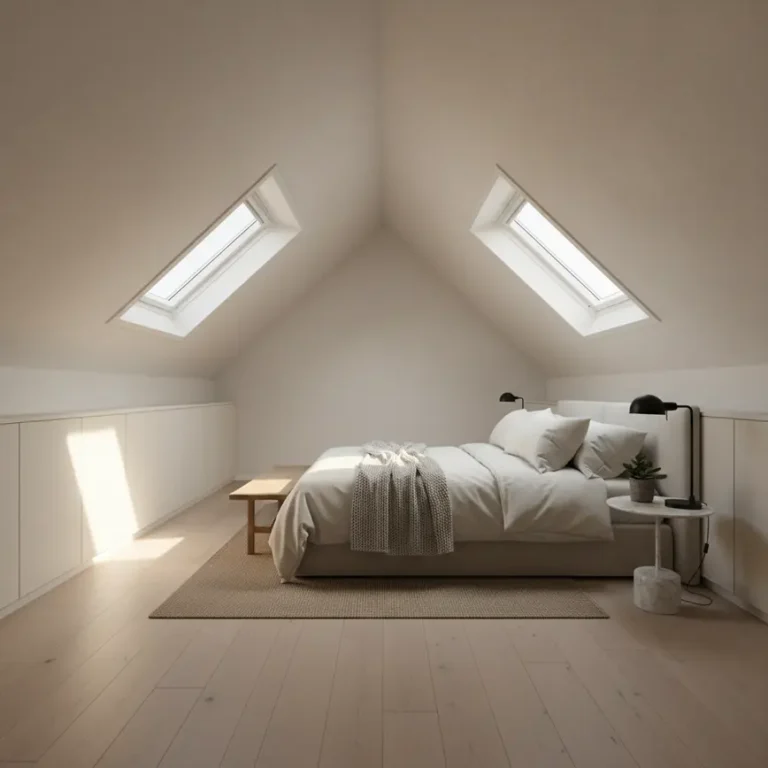
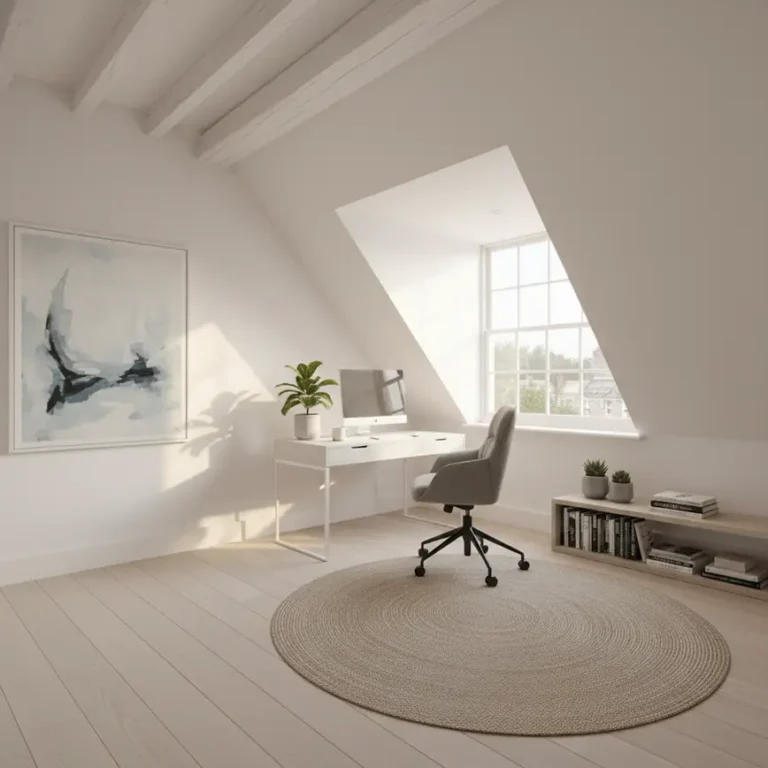
While a ground-floor extension is a popular choice, it may not be the only solution. It is worth briefly considering alternatives. For instance, a loft conversion can add a bedroom and bathroom without using valuable garden space. In some cases, an internal reconfiguration of the existing layout can unlock space more cost-effectively if a full extension is not feasible. The most suitable approach depends entirely on the homeowner’s property, budget, and specific needs.
Professional Consultation
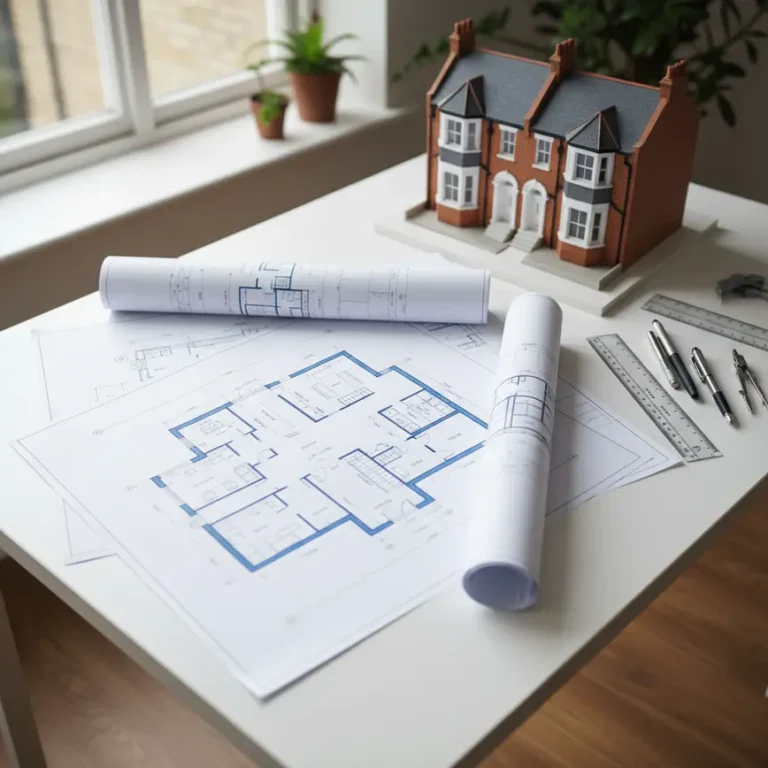
Before committing to any project, a consultation with an experienced builder or architect is essential. This initial step allows for a detailed assessment of your property’s structural suitability and helps in generating a more accurate, tailored quote. Seeking professional guidance early in the process helps to avoid unforeseen costs, confirms that the project is viable, and sets a solid foundation for a successful build from the very beginning.
Conclusion
To summarise, a successful house extension north london project requires careful budgeting, a clear understanding of planning rules, and choosing the right type of extension for your home. When managed correctly, it can significantly improve your living space and add substantial value to your property. While every project is unique, following the steps outlined in this guide can help contribute to a smoother process and a more predictable outcome.
Ready to explore the potential of your home? With over 30 years of experience, J&D Building can manage everything from design and planning to the final build, ensuring direct owner communication at every stage. We are experienced London builders who can guide you through this complex process.
References
- Permitted Development Rights for Householders: Technical Guidance – GOV.UK. Available at: https://www.gov.uk/government/publications/permitted-development-rights-for-householders-technical-guidance
- RICS Consumer Guides: Home extensions and improvements – Royal Institution of Chartered Surveyors. Available at: https://www.rics.org/consumer-guides/home-extensions-improvements
- The Party Wall etc. Act 1996: explanatory booklet – GOV.UK. Available at: https://www.gov.uk/government/publications/preventing-and-resolving-disputes-in-relation-to-party-walls/the-party-wall-etc-act-1996-explanatory-booklet
- Nationwide Building Society – House Price Index Reports. Available at: https://www.nationwide.co.uk/media/hpi/reports/dwd
- How to plan a trouble-free house extension renovation – Royal Institute of British Architects (RIBA). Available at: https://www.riba.org/explore/find-an-architect/homeowners-digest/planning-a-house-extension/
- The Building Regulations 2010 – Legislation.gov.uk. Available at: https://www.legislation.gov.uk/uksi/2010/2214/contents